How to prompt Anima
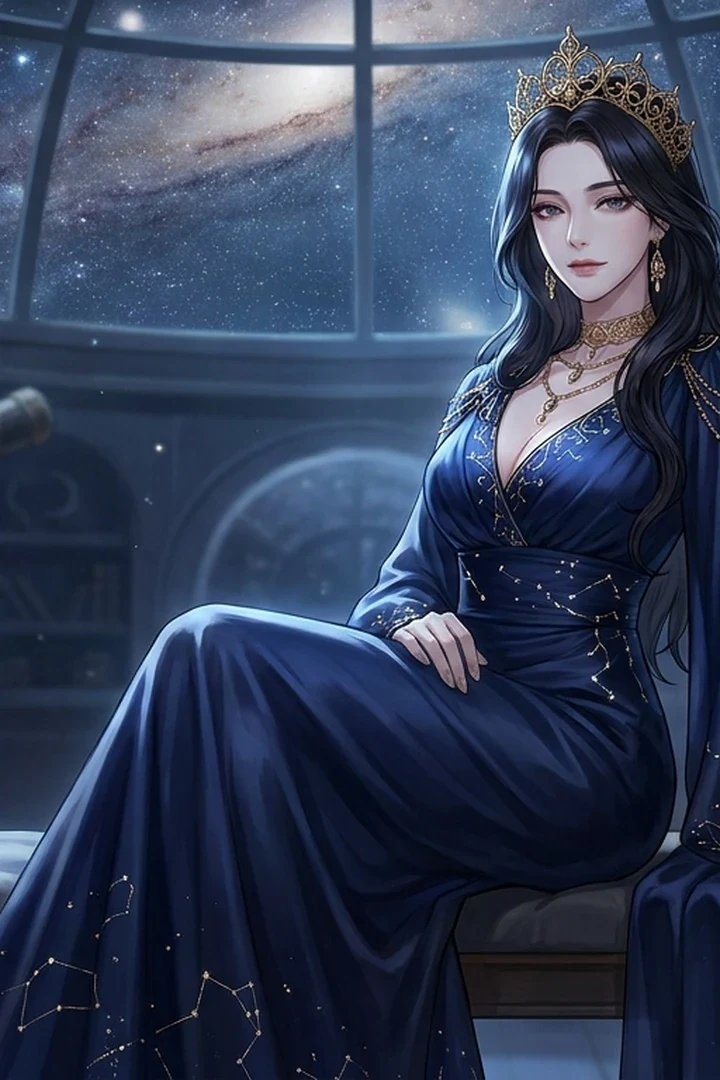
Anima understands both booru-style tags and natural-language captions. It can read tags in many orders, but consistent ordering makes prompts easier to debug and reuse - Structure beats vocabulary. On this page: the recipe, the tag families Anima responds to most reliably, and four prompts worth copying into the studio. For model-agnostic structure, pair it with the prompt blueprint.
The four-part prompt recipe
Put high-level decisions first. Within each block, individual tags may be rearranged.
1. Quality and rating
Open with quality and score tags (masterpiece, best quality, score_8) and the rating: nsfw for explicit work, so the model commits to a finish before it draws a subject.
2. Subject and identity
Count and identity next: 1girl, adult woman, age 30+, then the stable traits - Hair, eyes, build, signature detail.
3. Scene and action
What is happening, where, and what the subject wears - The block you will swap most between renders.
4. Camera and finish
Framing, light source, and medium: cinematic close-up, warm rim lighting, detailed anime illustration.
Tags Anima understands especially well
Six tag families carry unusual weight with this model.
Human-score and aesthetic-score tags
score_8 and its neighbours steer toward work human raters preferred. Use one - Stacking several dilutes all of them.
Time-period tags
year 2025, newest bias the output toward current styles; oldest reaches for classic anime finishes.
Image-format tags
highres, absurdres ask for finer rendering; use them with an upscaler rather than instead of one.
Safety and artist tags
nsfw states the rating honestly. Artist tags shift style strongly - Prefer describing the finish you want over naming an artist.
Use sentences for meaning, not keyword piles
Natural language is strongest when the scene depends on who is doing what, where attention is directed, or how the camera should read the moment. Aim for two concrete sentences rather than one vague one.
- Strong: "A clearly adult woman in her early thirties leans against a rain-lit window. Frame her from the waist up as she looks back toward the viewer, with magenta rim light tracing her dark hair."
- Weak: "Beautiful sexy anime woman, amazing, perfect, cinematic, detailed" - Evaluation words that never say what must appear.
- Anima also reads LAION-POP and DeviantArt caption styles: descriptive, non-photographic captions work as prompts.
Describe each person separately
Names alone are easy for a model to blend. Give each person a short identity block, then describe the shared action only after both identities are established.
- Identity block one → identity block two → the shared action and camera.
- Keep wardrobe inside each identity block so outfits do not migrate between characters.
- Two figures cost detail: expect to spend more of the prompt on separation and less on scenery.
Fix the prompt before adding more words
Start structured. Generate once. Identify the single largest mismatch, then revise only the block responsible. Artefacts and anatomy failures are a job for negative prompts, not more description.
- Wrong subject → identity block. Wrong mood → light and camera block. Wrong finish → quality and medium tags.
- Adding words to a prompt that already misses is how prompts become unreadable and undebuggable.
- The 20-second check: rating stated, adult age explicit, one action, one light source, one finish.
Common questions
Does tag order matter for Anima?
It reads many orders, but earlier tags carry more weight and a consistent order keeps prompts debuggable. Quality → subject → scene → camera is the reliable default.
Should I use tags or natural language?
Both. Tags fix identity and finish precisely; sentences carry relationships, attention, and camera intent. The hybrid examples in the studio guide show the split.
How do I keep two characters from blending?
Give each a short identity block before describing any shared action, and keep wardrobe inside the identity blocks.
Where to go next
This guide pairs with the general prompt blueprint, choosing a model and open the studio.